- About EUt+
- About TU-Sofia
- News
- Partners
- Cyprus University of Technology (CUT)
- Technical University of Cartagena (UPCT)
- Technological University Dublin (TU Dublin)
- Darmstadt University of Applied Sciences
- Riga Technical University (RTU)
- University of Technology of Troyes
- Technical University of Cluj-Napoca
- University of Cassino and Southern Lazio (UNICAS)
- Education
- Research
- Offices
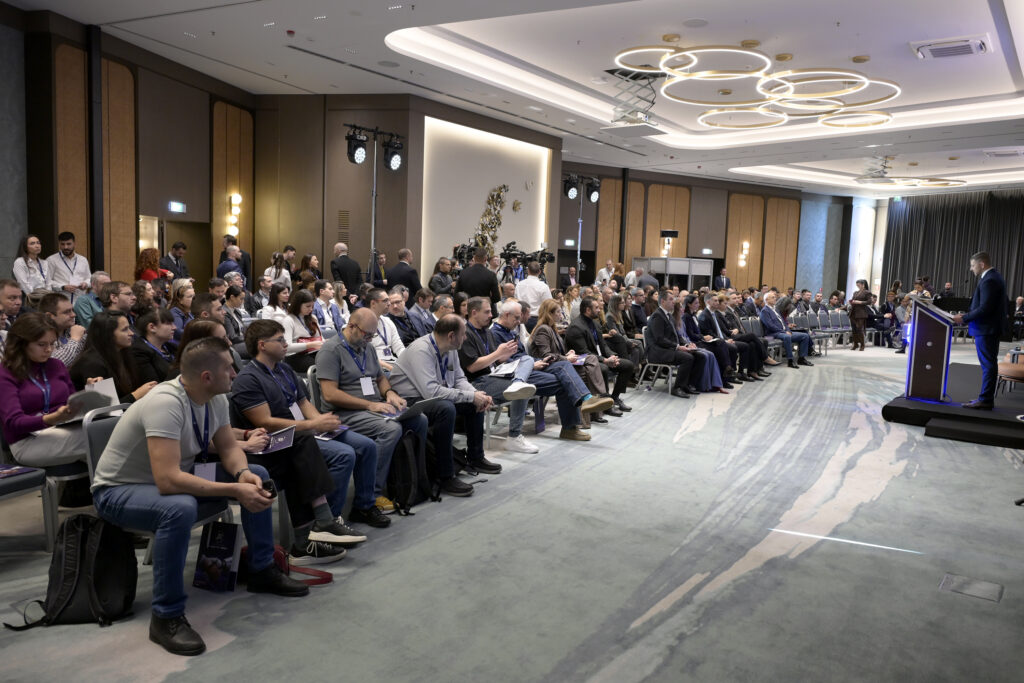
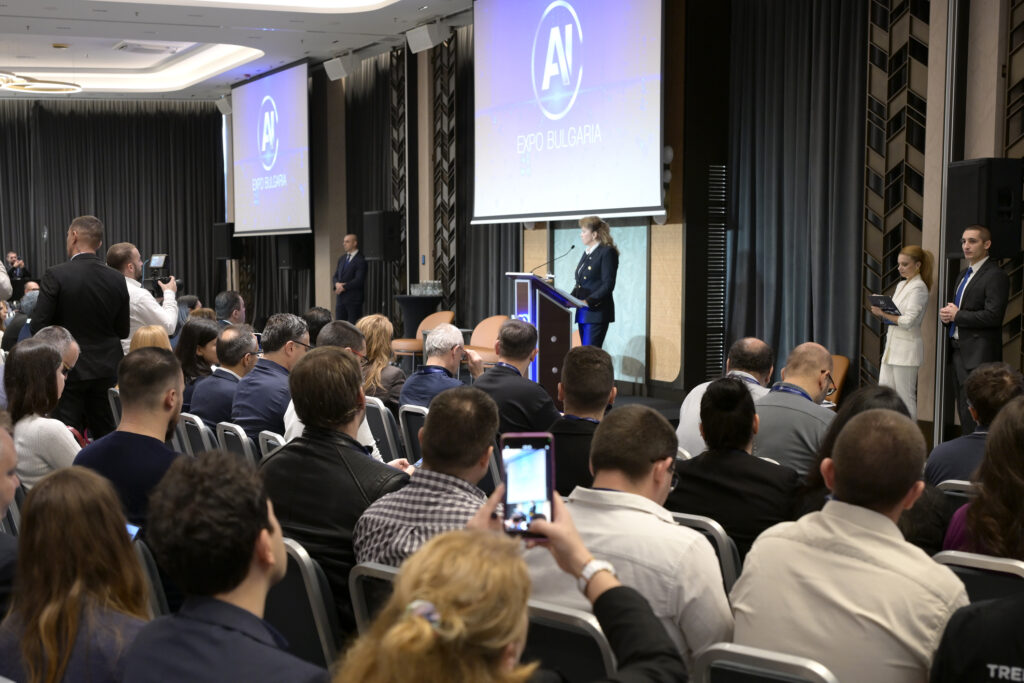 The President of the Republic of Bulgaria, Iliana Yotova, opened the forum, emphasising that “artificial intelligence is not a vision of the future – it is here and now”. She also highlighted the importance of transforming Bulgaria’s scientific potential and the talent of its professionals into products with high added value. Ivan Vassilev, Minister of Innovation and Digital Transformation, was also among the official guests.
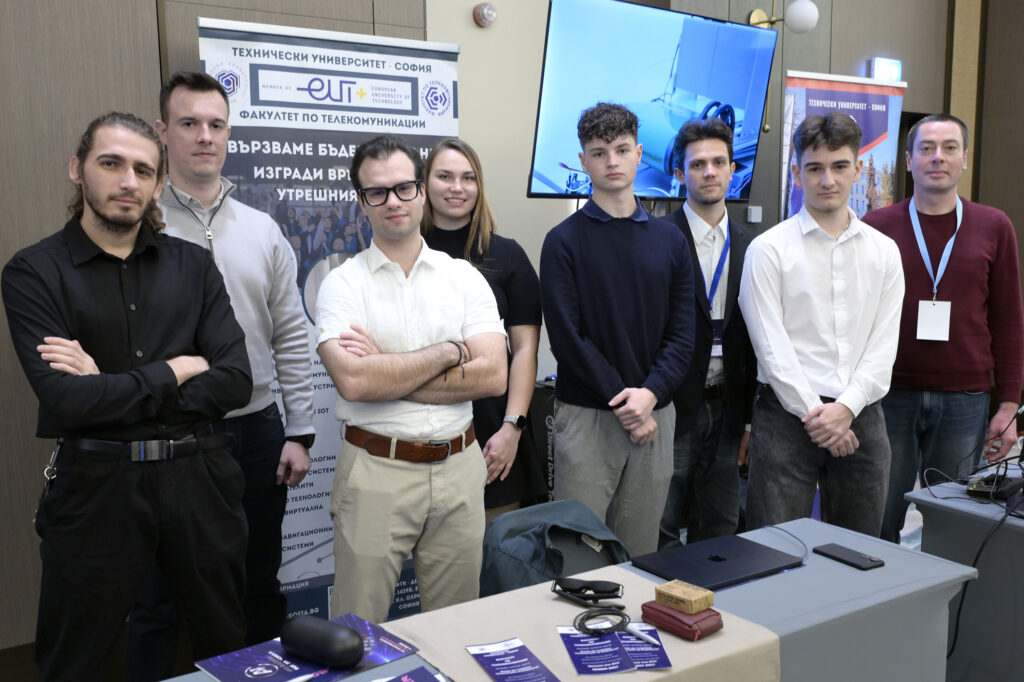
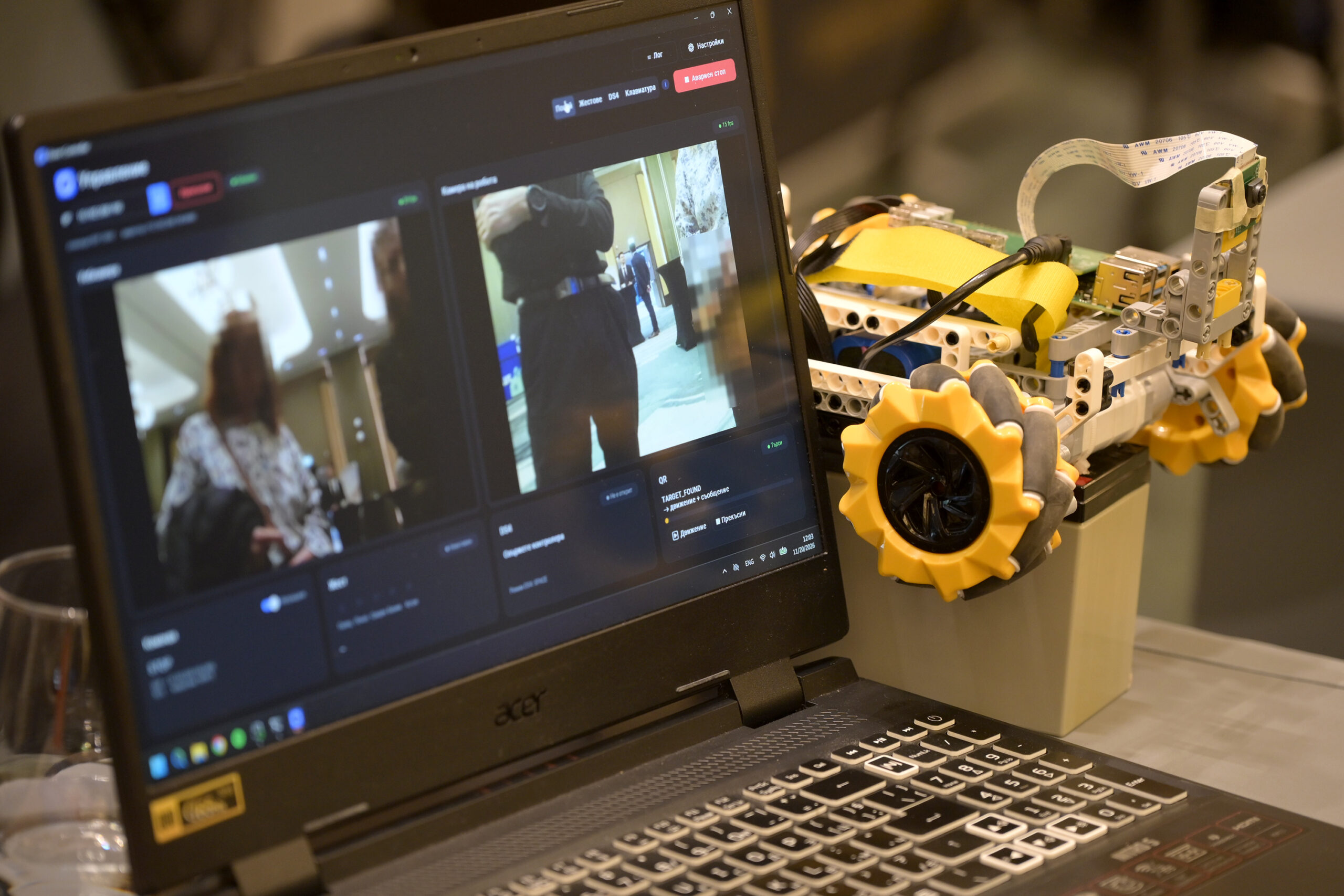
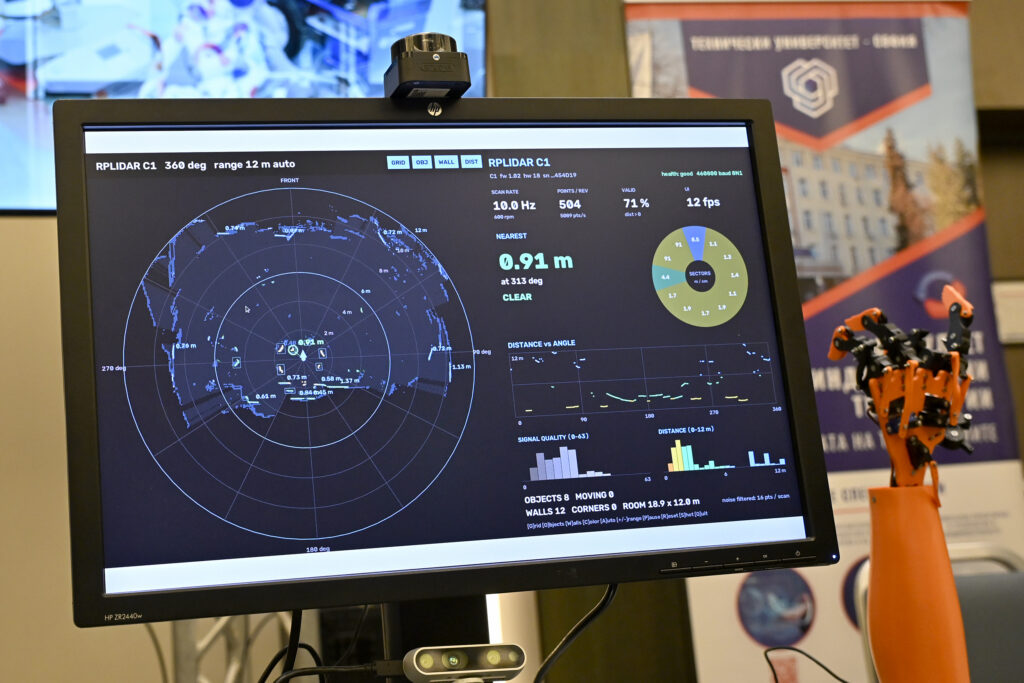 Modern intelligent systems combine algorithms and software with electronics, mechanics, automation, telecommunications, control engineering and data processing. The developments presented at the exhibition are the result of sustained research and engineering work – from initial ideas and experiments through design and testing to the creation of functional solutions.
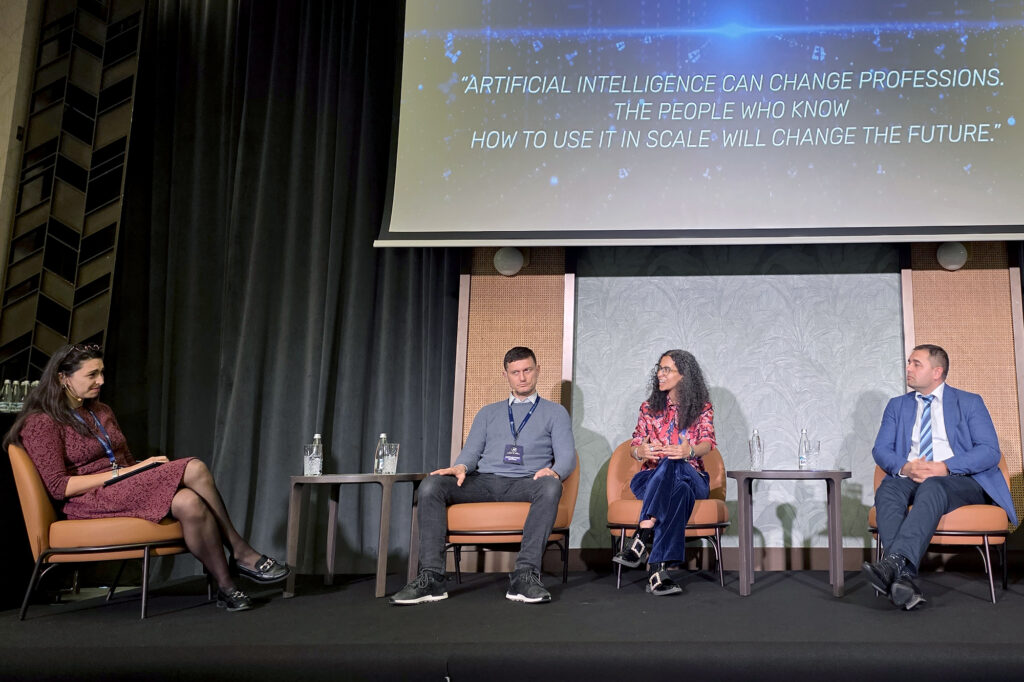 The role of AI in education and the ways in which universities should prepare future professionals were among the topics discussed in the panel “Innovation and Talent — Education 2.0”. The panel featured Prof. Agata Manolova, Dean of the Faculty of Telecommunications at TU-Sofia. She highlighted the role of artificial intelligence as a tool supporting lecturers in preparing educational content and as a technology that students need to learn to use professionally.
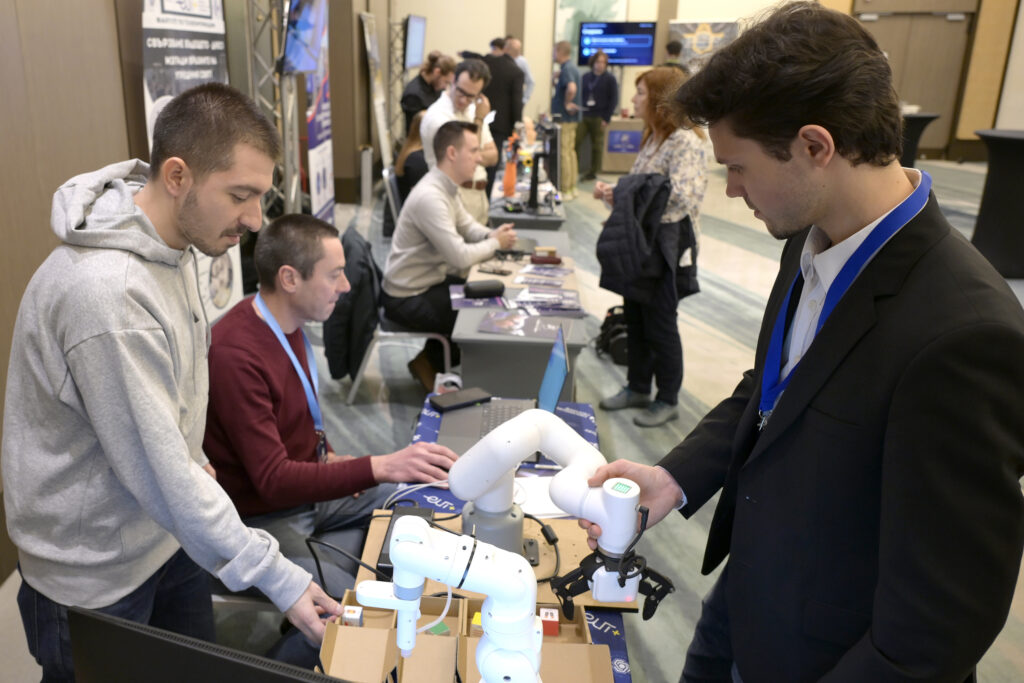 TU-Sofia offers education in artificial intelligence at several academic levels. These include the Bachelor’s degree programme in “Intelligent Systems and Artificial Intelligence”, which is also available in English; the Master’s degree programme in “Technologies and Applications of Artificial Intelligence”, developed with the involvement of IBM and Bosch; and the PhD programme in “Artificial Intelligence Systems”.
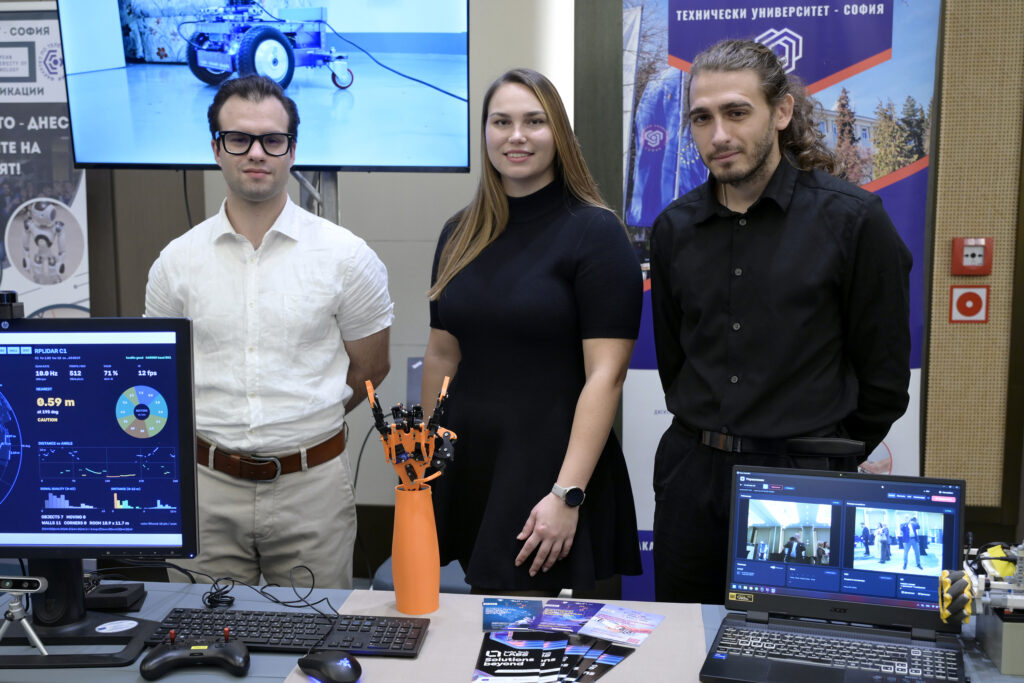 The Technical University of Sofia has modern laboratory facilities and highly qualified specialists with the expertise to make full use of them. This provides a strong foundation for the University to support businesses in developing, adapting and testing software products and systems based on artificial intelligence. For small and medium-sized enterprises, access to such scientific and technical resources can be particularly valuable, especially when establishing their own specialised laboratories and research teams is difficult to achieve.
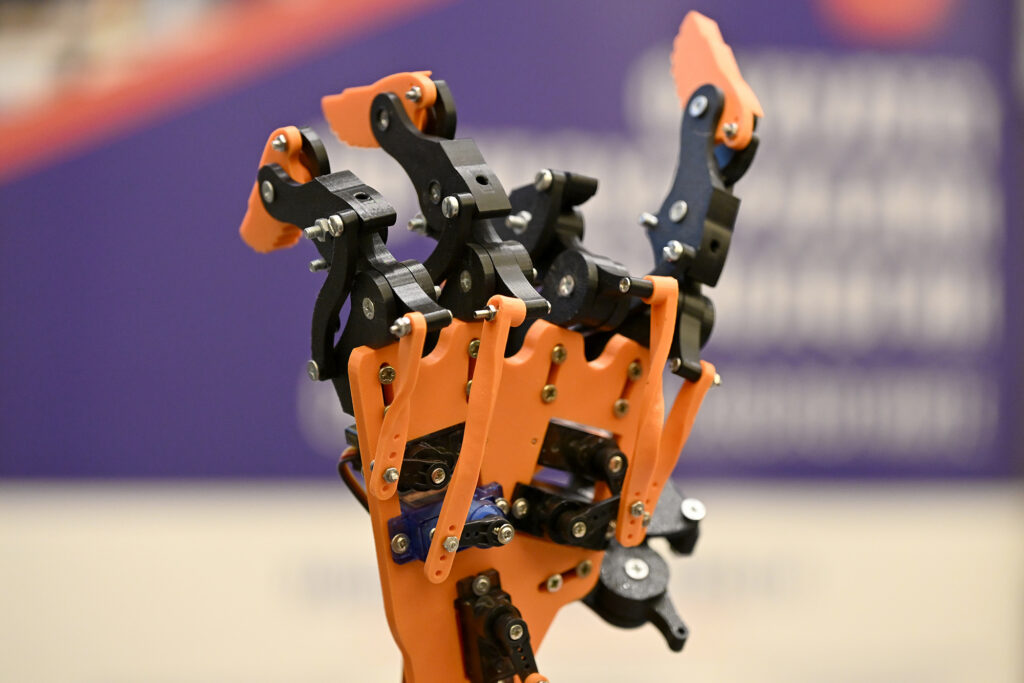 Cooperation can begin with a specific business challenge and progress through design, prototype development, laboratory testing and the assessment of practical applicability. For businesses, this means access to specialised knowledge and technical resources. For the University, it creates opportunities to connect research and engineering activities with the real needs of the economy.
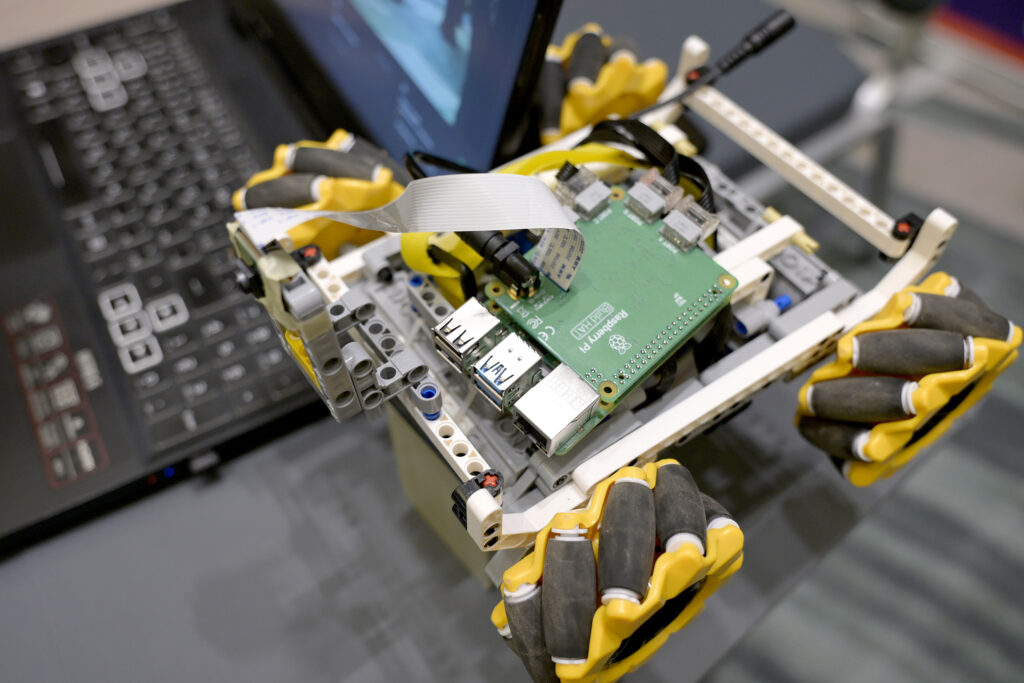 The targeted application of AI is particularly important. For engineers, it is a tool for addressing specific tasks such as data analysis, process optimisation, diagnostics, forecasting and automation. Engineering expertise makes it possible to identify where artificial intelligence can deliver tangible benefits, how it should be applied and how the reliability of its results can be assessed.
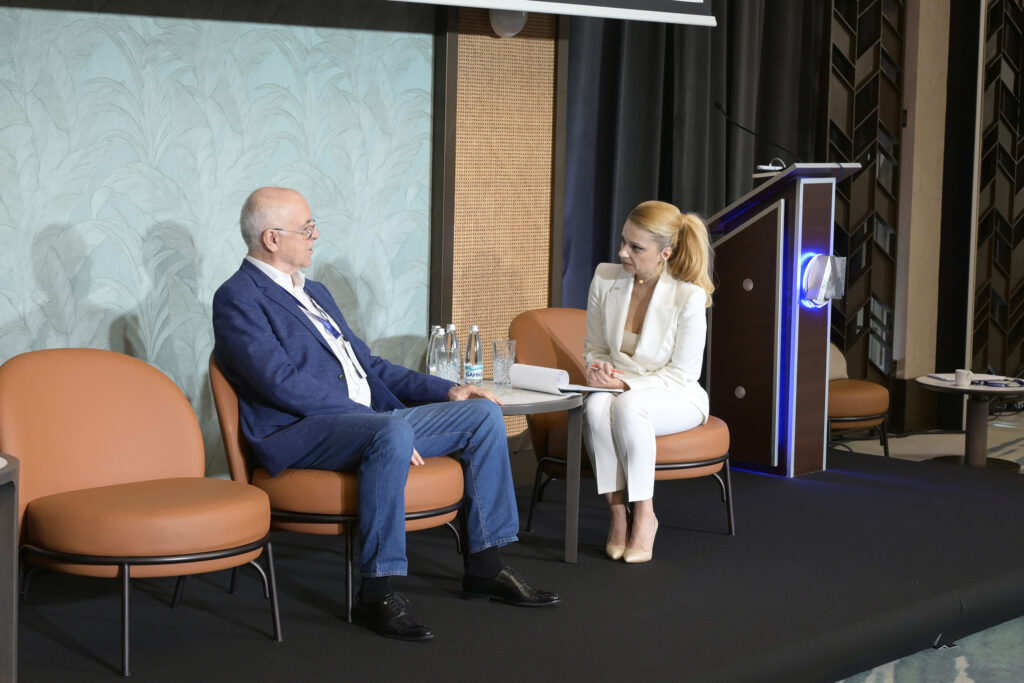 The development of artificial intelligence requires a combination of algorithms, skilled professionals and appropriate infrastructure for building and training modern models. High-performance computing, access to data, data-processing capacity and digital security are becoming strategic factors in Europe’s competitiveness.
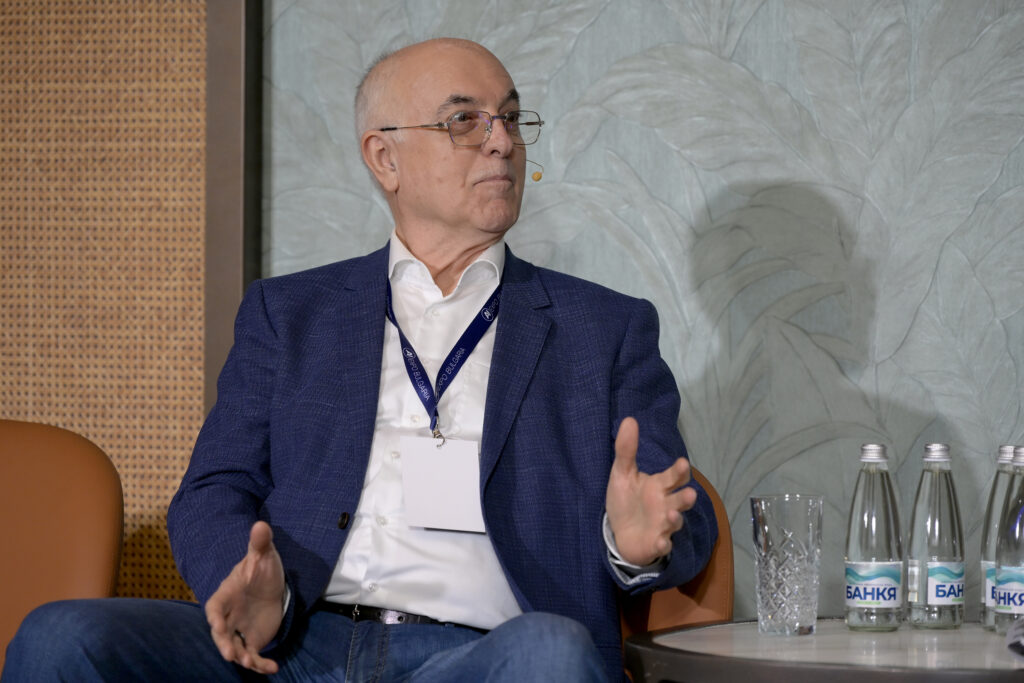 This topic was addressed in the main programme of AI Expo Bulgaria 2026 by Petar Statev in his lecture “European AI Factories & AI Data Sovereignty”. He is General Manager of the Discoverer/BRAIN++ HPC & AI complex and a member of the Board of Trustees of the Technical University of Sofia. His contribution highlighted European AI Factories, computing capacity and data sovereignty as essential conditions for Europe’s ability to develop and deploy its own technologies.
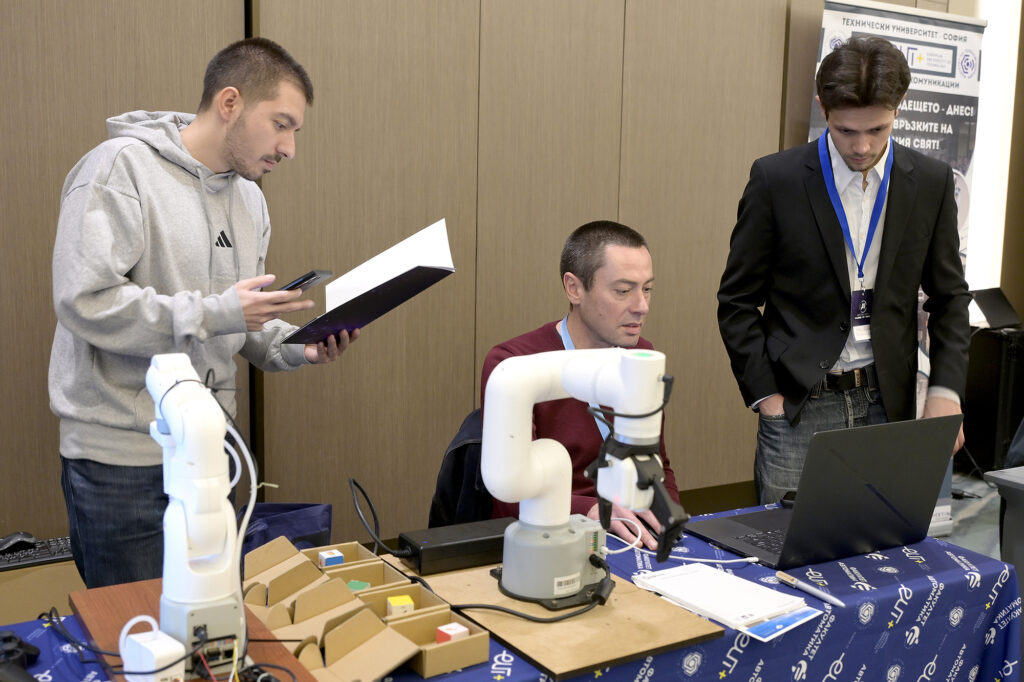 The first edition of AI Expo Bulgaria could mark an important step towards establishing a national platform for dialogue between the technology business sector, government and the scientific community. The value of such a forum lies in the presentation of new technologies and the opportunities it creates for participants to exchange experience and identify common directions for development.
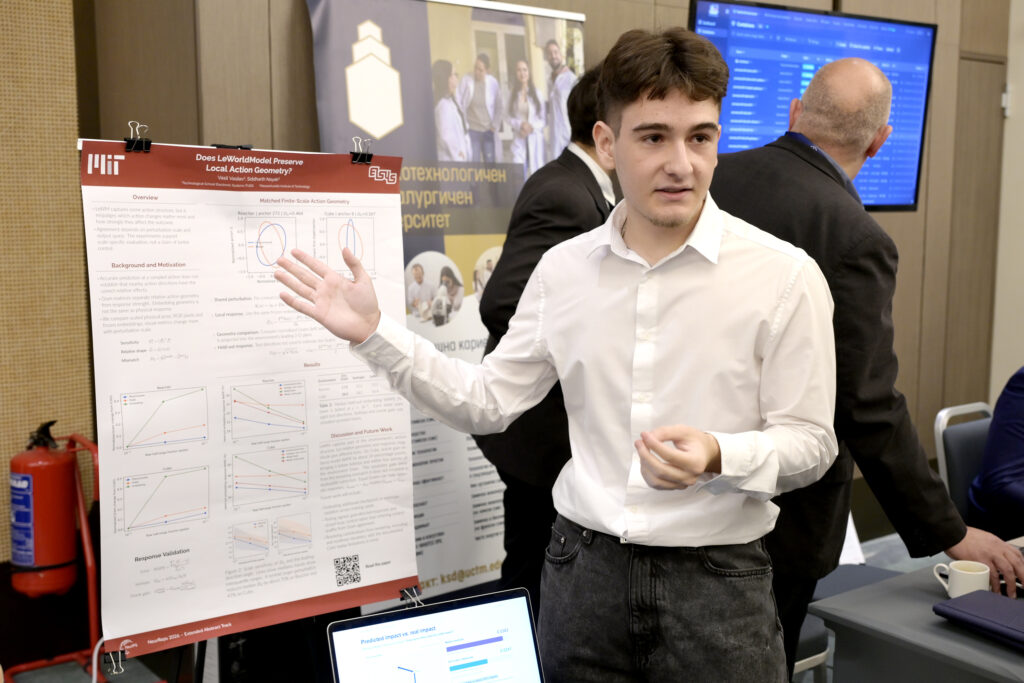 In this context, there is a natural connection between the themes of AI Expo and the development of European technological education. The European University of Technology (EUt+) creates opportunities for universities to pool their educational and research capacities, develop joint study programmes and establish cross-border research partnerships. Through educational clusters, joint initiatives and student mobility tools, the partner universities are strengthening connections between related faculties and research teams. This supports the exchange of knowledge and teaching experience, the development of joint educational opportunities and broader prospects for students. The vision also encompasses student mobility, collaborative research projects, shared laboratories and the advancement of engineering education across Europe.
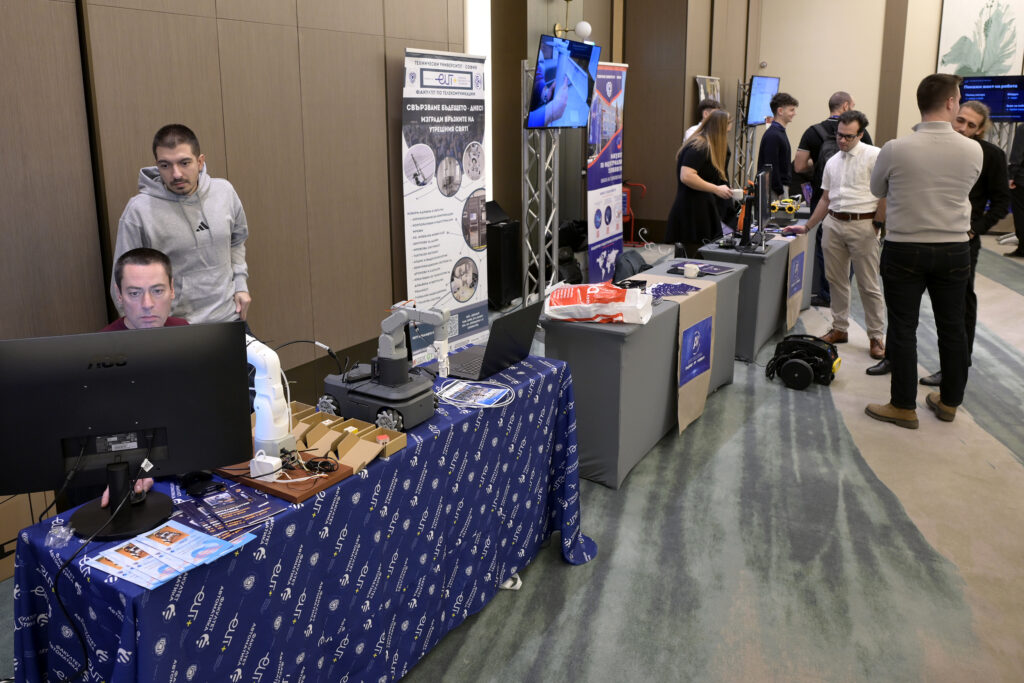 TU-Sofia’s participation in AI Expo Bulgaria 2026 provided an opportunity to see the results of the work carried out by the University’s lecturers, researchers and engineers. It also highlighted the academic environment in which students acquire knowledge, develop practical skills and take part in creating new technological solutions. The combination of research expertise, laboratory facilities, modern education and strong links with business makes a significant contribution to strengthening Bulgaria’s technological potential.